
Employee Training for Safe, Efficient, and Incident-Free Projects
In construction, great results don’t happen by accident; they happen with preparation. Effective employee training is the backbone of safe, incident-free projects. When teams understand the tools, technologies, and standards expected on every jobsite, companies like ours can deliver higher-quality work while building a strong, motivated workforce that takes pride in doing things the right way.
1. The Role of Employee Training in Project Safety & Performance
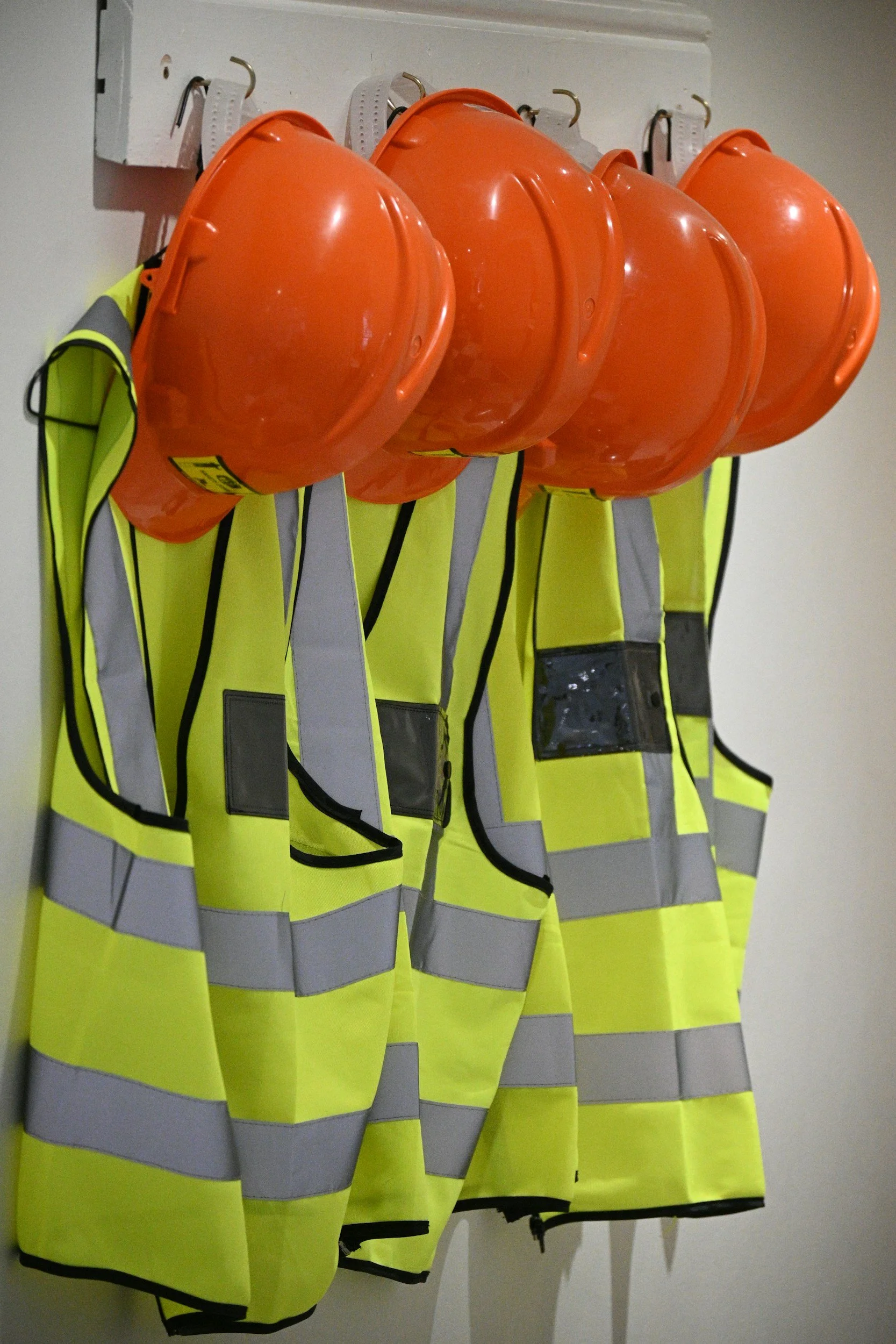
Training is one of our most powerful tools for improving jobsite safety and overall project performance. Our well-trained team is equipped to recognize hazards, follow best practices, and work efficiently with fewer mistakes or disruptions. This training directly supports accident prevention because the better prepared our crew is, the safer the site.
But the impact goes beyond safety. Trained employees understand how to maintain quality control, follow proper workflows, and communicate effectively. That translates into projects that stay on schedule, minimal rework, and increased client satisfaction. In an industry where time, cost, and quality must align, training is what keeps everything moving in the right direction.
2. Keeping Projects Organized and On Track with Technology
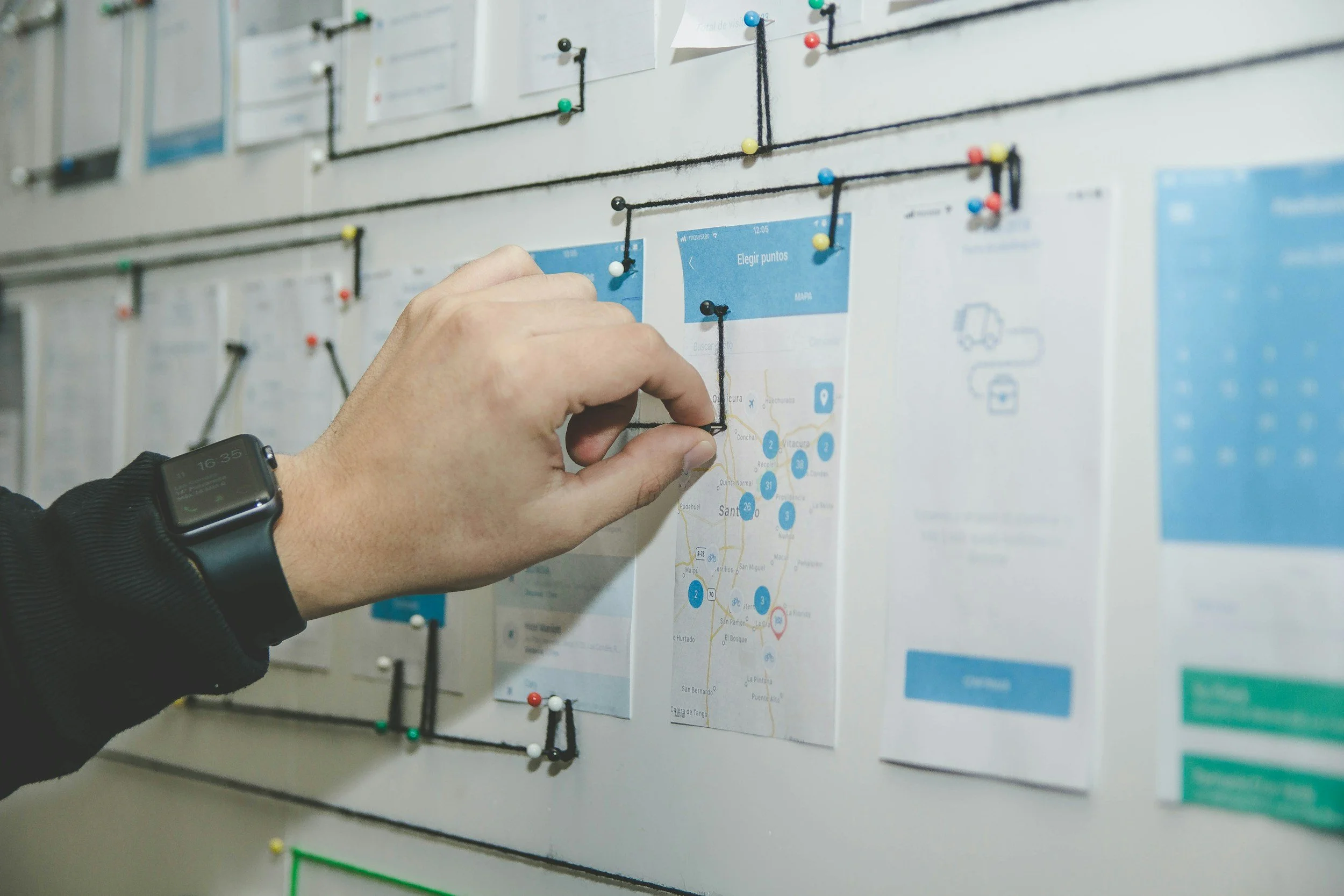
Modern construction relies on innovative digital tools to stay organized and proactive. At Young, technology training is just as important as trade skills because when teams understand the systems behind a project, everything runs more smoothly. Here are some of our favorite tools to stay on track:
Procore
Procore is our central hub for project management. It stores and organizes daily logs, safety records, drawings, RFIs, submittals, photos, meeting minutes, and more. It keeps subcontractors, design teams, clients, and field crews connected in real time, reducing miscommunication and creating a transparent workflow.
Microsoft Projects
For master scheduling, we use Microsoft Projects to create detailed Gantt charts that map and link every project activity. This helps ensure nothing falls through the cracks and keeps our client expectations aligned. Each deliverable is tracked through the whole workflow: decision → procurement → implementation. The result is a predictable schedule that supports material procurement, subcontractor commitments, and big-picture planning.

Four-Week Look-Ahead Schedules
In the field, our superintendents and foremen use Excel-based look-ahead schedules to plan manpower, materials, and week-by-week sequencing. This keeps daily progress aligned with the overall timeline and ensures trades have what they need, when they need it.
BlueBeam
We use BlueBeam to enhance collaboration during drawing reviews. Team members can mark up plans, clarify technical details, and share visual notes — all of which ensure that everyone understands what needs to be built before stepping onto the site.
Together, these tools help us create an efficient, organized construction environment where communication is clear and deadlines remain achievable.
3. Safety Training: Building an Incident-Free Workplace
A safe project is a successful project, and safety training is essential for building jobsites where everyone can work confidently and efficiently. Our safety training includes the following:
Core Safety Certifications
Red Cross AED & CPR Training: Completed every two years to ensure crews are prepared for emergencies.
OSHA 30-Hour Certification: Builds awareness around workplace hazards, compliance requirements, and best practices.
Field Safety Practices
Safety habits are reinforced continuously throughout the project:
Weekly tailgate meetings for field-level safety discussions.
Superintendent-completed safety inspection checklists.
Weekly reporting on jobsite safety conditions to maintain accountability.
Our strong safety culture reduces incidents, improves insurance ratings, and minimizes downtime, all of which directly benefit clients. Safer jobsites lead to more predictable schedules, stronger budgets, and have helped us build a reputation for professionalism that attracts top talent and trade partners.
4. Employee Development & Retention
Training isn’t only about the current project. It’s also about investing in the long-term growth.
Skills Training for Office & Field
From Excel and Word to ChatGPT and construction-specific software, improving digital literacy boosts communication, documentation, and overall project efficiency.
Mentoring and Hands-On Skill Building
Field leaders teach proper tool use, safe methods, and best practices, giving laborers structured pathways to advance into carpentry or higher roles. This culture of shared knowledge has helped Young grow from within, with many team members staying for decades, fostering a strong, family-like culture.
Benefits of Investing in Training
By prioritizing training, we have increased retention and developed teams that are more skilled, adaptable, and capable of handling complex work – a true strategic advantage.
Employee training is more than a compliance requirement for us; it’s a long-term investment in safety, quality, and team strength. By equipping our employees with modern technology, comprehensive safety programs, and growth opportunities, we create safer job sites, deliver more efficient projects, and build a workforce that takes pride in every task.